
“Micchami Dukkhadam”—a phrase rooted in the ancient Prakrit language, reverberates in the hearts of those who understand its depth. Translated, it means, “I seek forgiveness for any pain I may have caused, knowingly or unknowingly.” This sentiment is deeply intertwined with Jain philosophy, and as I reflect on its meaning today, I see how it holds profound relevance for modern life.
Growing up, I remember my father receiving letters from his friends who followed the Jain religion. These letters often concluded with the words “Micchami Dukkhadam,” asking for forgiveness for any harm caused, whether through action, speech, or even thoughts. As I’ve grown older, I realize how simple yet transformative these words are. They embody a universal truth: forgiveness, in all its forms, is essential for peace—both within ourselves and with others.
The Challenge of Forgiveness
At its core, forgiveness seems straightforward. It’s something we encourage others to do, but when it comes to forgiving those who’ve hurt us—or worse, forgiving ourselves—it becomes one of the most complex emotional tasks we face.
The trauma of certain experiences can be so profound that forgiveness feels unreachable, even with therapy. When someone hurts us deeply and doesn’t seek forgiveness, how do we reconcile that? For the longest time, this question troubled me as I tried to write about it. I struggled with the implications of forgiving someone who never acknowledges their wrongdoing.
But as I reflect on “Micchami Dukkhadam” today, the answer begins to take shape.
Forgiveness as Self-Healing
Forgiveness isn’t always about the other person. It can be about releasing the burden within ourselves. According to Jain scholar Tattvārtha Sutra, “Forgiveness is the ornament of the brave.” It signifies strength, not weakness. It’s an inner journey where we acknowledge our pain, confront the emotions tied to the experience, and decide to let go—not for them, but for us.
This form of forgiveness doesn’t mean condoning the hurtful actions of others, nor does it mean we forget. It means putting the blame and guilt in their rightful places. By understanding where we went wrong, if at all, and recognizing the harm caused by others, we liberate ourselves from the cycle of resentment and bitterness.
Protecting Yourself Through Forgiveness
One critical lesson is that forgiving doesn’t mean allowing others to continue hurting us. It’s important to assess whether a person or situation is unsafe and, if necessary, distance ourselves. Forgiveness should never mean vulnerability to further harm.
“Micchami Dukkhadam,” however, is slightly different. It embodies a humility rooted in Jainism—the understanding that our actions, even unintended ones, can cause harm to others. It’s about acknowledging the limits of our own awareness and asking for forgiveness, recognizing that someone else’s experience might differ from our own.
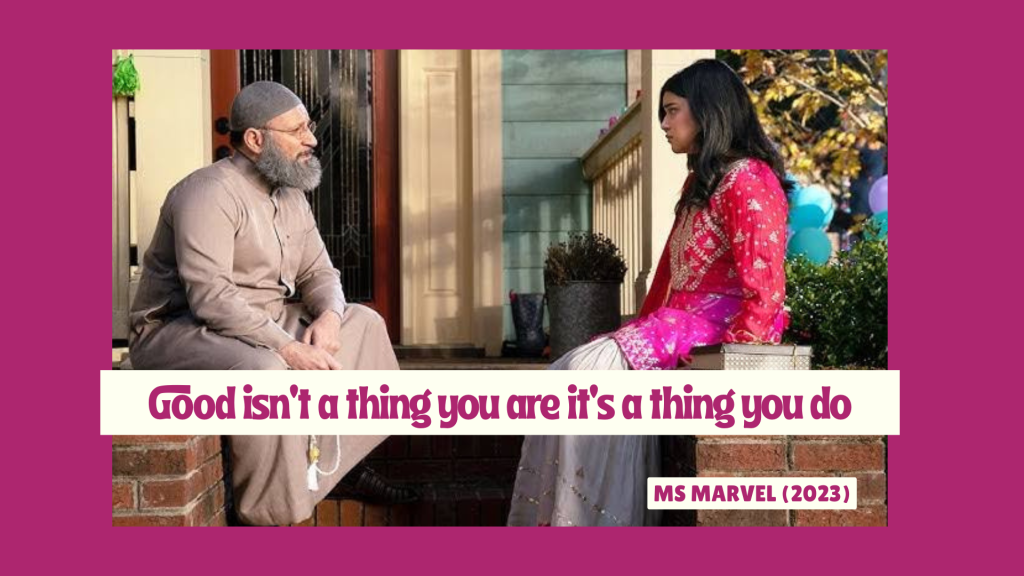
In this way, “Micchami Dukkhadam” aligns with my personal philosophy: “Good isn’t a thing you are but a thing you do.” It’s a call to action, to reflect on where we may have caused harm and actively seek reconciliation. It’s a reminder that asking for forgiveness doesn’t diminish us; it strengthens our relationships and paves the way for inner peace.
A Call to Action
As we celebrate today, I invite you to embrace this beautiful tradition. Start by forgiving yourself—release any guilt or regret that holds you back. Then, reach out to those you may have unknowingly hurt. Let go of your ego and make peace, for it will only bring you closer to the goodness we all strive to practice.
In the spirit of “Micchami Dukkhadam,” let’s start anew—seeking forgiveness, offering it to ourselves, and fostering a kinder, more compassionate world.



 Rahagir
Leave a reply to soggejemiah1989 Cancel reply