I grew up in a world before the internet. We were already consumers, but there was space to decide what we wanted and how we wanted it. If you wanted to redecorate, you bought a magazine and browsed through its pages. If you wanted music, you spent time exploring until you found something that felt like yours. If you wanted to travel, you spoke to people who had been there or flipped through glossy pages for inspiration. We were influenced by television dramas and advertisements, but our wants required effort. Consumption felt occasional and intentional. It was aspirational at times, but it did not feel constant or compulsory.
Social media changed this balance.
The feed does not wait for us to become curious. It decides before we ask. Every scroll delivers suggestions we did not seek, habits we did not need and lives we were not trying to live. Occasional interests become recurring pushes. Inspiration turns into obligation. What once felt like freedom of taste is now a loop we rarely notice.
Entertainment Became a Marketplace
Lifestyle and consumerism no longer stay in shops or separate ads. They live inside entertainment itself. Television once had clear borders: the show ended and the advertisements began. Social platforms erased that line. Creators and influencers now make content that is both story and storefront. Every recipe, outfit or travel vlog doubles as a sales pitch.
For companies and platforms, this is perfect. They keep us entertained and shopping at the same time. We remain engaged, inspired and buying without feeling that we have been sold to. The result is a consumer culture that never pauses or steps away.
How Creators Lost Agency Too
This new system began with creators who found early success online. Platforms once felt like liberation. Artists could bypass record labels, galleries and studios to speak directly to audiences. In the early days, algorithms were simple, communities were small and discovery felt organic. Success seemed possible for anyone with talent and persistence.
But as platforms grew, so did their control. Algorithms became invisible gatekeepers. They rewarded certain formats, lengths and aesthetics while quietly burying work that did not fit. To survive, creators adapted. Work became performance — quick, polished, predictable, and optimised for engagement. Raw exploration grew risky because it might never surface.
What started as an escape from traditional gatekeeping slowly turned into another form of gatekeeping, one that artists cannot negotiate with or fully understand.
Everyone Was Asked to Perform
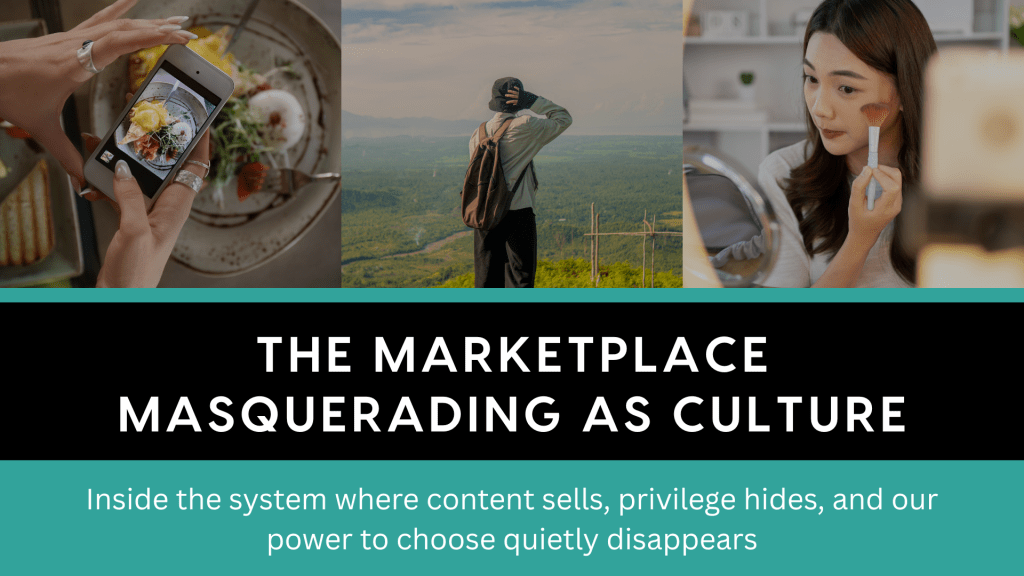
Once creators were pressured to perform, the same expectation reached ordinary users. Sharing became part of belonging. Meals, workouts, outfits, opinions and trips turned into content. To stay visible among friends and peers, we learned to package our lives for public viewing.
This benefits platforms and companies the most. The more people create, the more time others spend watching. Our friends and families become the next wave of advertisers, encouraging each other to buy and adopt new trends. Each of us adds to the system that turns life into an endless marketplace.
It feels like participation. It feels like we are shaping culture. In reality, we are performing inside rules set by algorithms. The stage looks democratic but is tightly controlled.
How Privilege Took Over
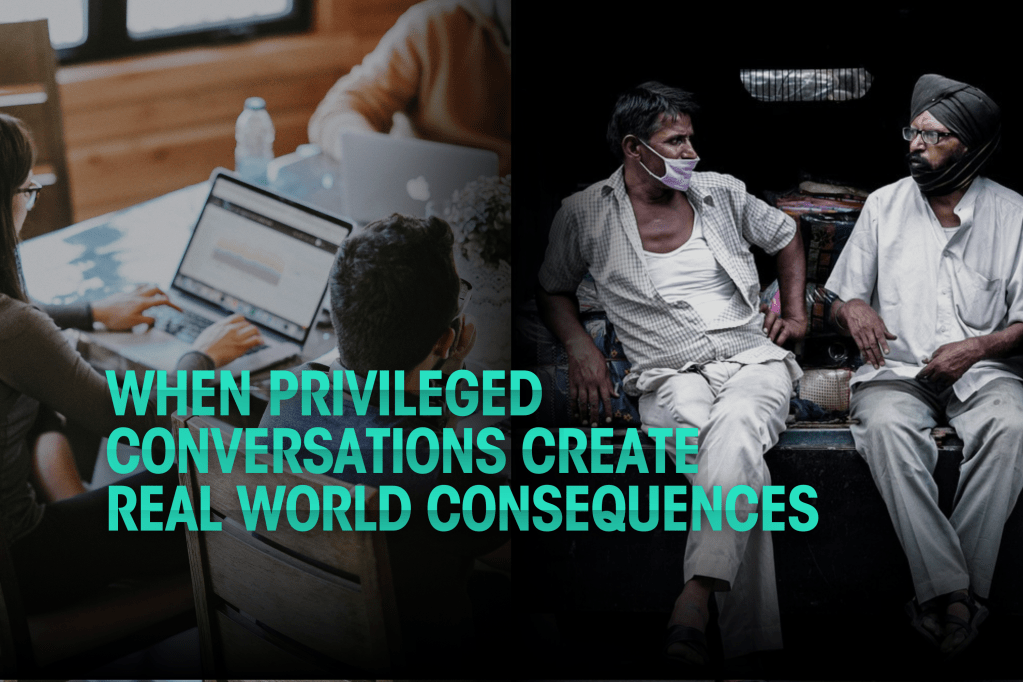
Into this system stepped those who already had advantages. Some people began with better cameras, better lighting, more time and money to create, or the confidence and safety to show their lives online. Youth and beauty helped. So did living in large cities or speaking the languages that dominate the internet.
These advantages matter more than they seem. Someone with more resources can film in a bright, beautiful home. They can travel to interesting places. They can afford to post regularly because their time is flexible or their work pays well. They can take risks and recover if a post fails.
Many others cannot. Marginalised creators often spend more money and energy just to show up. They face harassment or hate when they become visible. They risk more with every post but often earn far less for the same effort.
Yet the system hides these differences. It presents a single, glossy playing field and tells us that everyone can win if they just try. Audiences rarely see the safety nets, the invisible support and the privilege that help some creators thrive while others struggle simply to be noticed.
What We Have Lost
Step by step, this cycle has taken more than we realised.
- We have lost choice: our tastes in music, food, fashion and travel are shaped before we even feel curiosity.
- We have lost passion: creators and ordinary users alike are pushed to produce what will perform instead of what feels necessary or true.
- We have lost patience: slow discovery, deep craft and long attention have been traded for speed and constant relevance.
What once felt like freedom — endless content, endless options, endless ability to share — has quietly become a system where algorithms decide, privilege thrives and corporations profit.
The Real Cost
What is at stake is far greater than time or money. It is the slow loss of self-determination. We are no longer deciding what to want, what to watch, what to buy or even what to create. The platform does that work for us, quietly and constantly.
This loss hides behind the feeling of freedom. We believe we are participating, but participation has been redesigned. It keeps us scrolling, spending and performing, while real choice — the slow, deliberate act of wanting something for reasons of our own — disappears.
The algorithm thrives when we forget this. Corporations thrive when our curiosity is replaced by trends and our attention becomes easy to sell. Privilege thrives when it can look like access rather than advantage. What looks like culture shaped by many voices is often a marketplace shaped for profit.
And so I have learned to stop and ask myself a question about every film, reel and even my own writing:
does this exist because it matters, or only because the machine rewards its existence?
 Rahagir
Leave a comment